

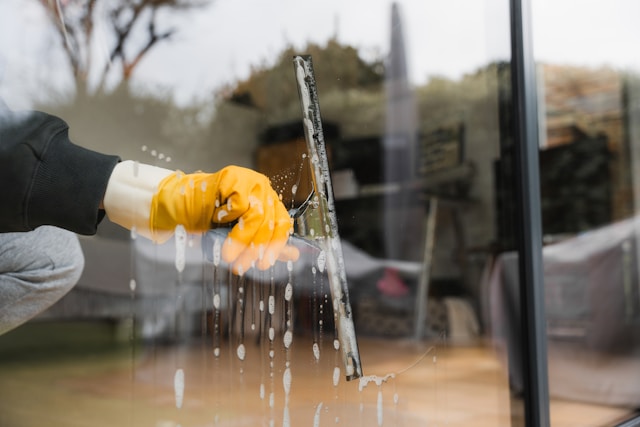
Streak-Free Window Cleaning in Cincinnati: Causes of Streaks and Prevention
Enjoy Crystal-Clear Views All Summer Long
Clean windows make a huge difference. They brighten your rooms, help your home or office look cared for, and even make photos look sharper. But in Cincinnati, streaks tend to show up right when you want that sunlight the most.
Long days, past spring pollen, and rising humidity all team up to leave marks on your glass. If it feels like no matter how much you wipe, the streaks get worse, you are not alone. Most streaks come from a few common causes, like hard water, pollen, humidity, and dirty tools. With the right approach, streak-free window cleaning in Cincinnati is very realistic.
We work with these local conditions every day, and we know how stubborn Cincinnati streaks can be. In this guide, we are sharing what actually causes them and what tends to keep windows looking clean between professional visits.
Why Streaks Happen on Cincinnati Windows
Streaks are almost never random. They usually trace back to what is on the glass and what is in the water you use to clean.
Here are some of the biggest local troublemakers:
Hard water minerals from tap water, hose spray, or sprinklers
Pollen and dust stuck to a thin film of grime
Humidity and temperature swings that change how cleaner dries
Dirty tools, old rags, and poor-quality glass sprays
Cincinnati has noticeably hard water. When water drops dry on glass, minerals like calcium and magnesium stay behind as white spots or faint streaks. If they sit for a long time, they can bond to the glass and feel almost baked on.
Pollen is another problem. In spring and early summer, it mixes with dust, car exhaust, and tiny bits of soil. That blend turns into a sticky film that smears instead of wiping away. If you spray a basic glass cleaner and rub with a paper towel, you often just move that film around and leave long marks.
Humidity and quick temperature changes also play a role. Hot sun warms the glass and your cleaner can evaporate too fast, leaving wipe marks. On cooler mornings, light condensation can mix with dirt and drag it into streaks as you clean.
Cheap cleaners with heavy soaps or ammonia can leave their own residue. Dirty squeegee blades, used sponges, and paper towels that shed lint all drag grit across the glass instead of clearing it.
Hard Water and Sprinkler Spots That Will Not Wipe Away
Hard water is one of the most stubborn causes of streaks and spots in our area. You might see this in a few ways:
Sprinkler overspray hitting front or side windows
Hose water splashing windows when you wash patios or siding
Tap water used in DIY window cleaning buckets
At first, mineral marks show up as light dots or streaks that you might ignore. Over time, repeated drying of hard water can build up into hazy areas that look cloudy from the street. These deposits can slowly etch into the surface of the glass and become harder to remove.
To help prevent this kind of damage, it helps to:
Adjust sprinkler heads so they spray away from windows
Wipe or squeegee windows quickly if they get sprayed
Avoid relying on straight hose water to clean glass
Use distilled water or water that has been filtered for minerals
Professional cleaners often use pure-water systems and specialty products that break down mineral deposits without scratching. Tools like non-scratch pads and specific cleaning solutions can help lift the buildup without harming the glass or frames. Once heavy hard water stains are removed correctly, it is much easier to keep windows clear.
Pollen, Dust, and City Grime on Summer Glass
By the time summer is moving along, Cincinnati windows have usually gone through a full coating of spring pollen. That sticky yellow layer becomes the base for everything else that floats by.
Then you get:
Dust from yards and landscaping
Traffic film from nearby roads and parking lots
Tiny grass clippings and soil kicked up by mowing
Residue from air pollution and car exhaust
All of this sticks to the pollen and turns into a thin, greasy film. When someone takes a dry rag or paper towel to that surface, they do not really remove it. They just push it into lines, halos, and swirls that are very noticeable when the sun hits.
Dry wiping also builds static on the glass, which can pull in even more dust. Old cotton rags can leave lint strands behind and catch on rough window edges, leaving little fuzz trails.
To handle this type of grime, pros usually:
Start with a light rinse or pre-soak to loosen dirt
Use a microfiber applicator or scrubber to gently agitate the film
Squeegee the glass in smooth, overlapping passes
Wipe frames, tracks, and sills so loosened dirt does not wash back on
For Cincinnati homes, a deep window cleaning after the main pollen wave has passed is a smart move. After that, lighter cleaning during the rest of summer helps keep that film from building back up.
Beating Humidity and Sun Glare for Streak-Free Results
Even with good tools and water, humidity and sun can still cause streaks. On hot, sunny afternoons, cleaner can flash dry on the glass. You see this as cloudy patches or faint wipe marks that show up from certain angles, especially on south and west sides of a building.
Humidity makes things trickier. On some days, moisture in the air slows down drying and leaves cleaner sitting on the glass for too long. On other days, heat and humidity together can cause uneven drying, with some areas staying wet and others drying too fast. That is where you get ghost streaks, drip lines, and dull areas.
A few seasonal tips help avoid these problems:
Clean in the early morning or early evening when glass is cooler
Stay out of direct midday sun, especially on hot days
Work in smaller sections so cleaner does not sit too long
Use a light solution mix, not too much soap, so it rinses clean
A sharp, quality rubber squeegee blade is also key. Dull or nicked blades skip across the glass and leave lines behind. Lint-free microfiber towels are best for catching leftover drips on the edges without leaving fibers or smears.
Pro Techniques for Streak-Free Window Cleaning in Cincinnati
Professional window cleaning is as much about the order of steps as it is about products. A simple, reliable process usually looks like this:
Dust or vacuum screens, tracks, and sills first
Pre-rinse very dusty or grimy glass if needed
Apply a mild cleaning solution with a scrubber or applicator
Squeegee from top to bottom in overlapping strokes
Detail edges and corners with clean microfiber towels
Screens and tracks matter because loose dirt from those areas can wash right back onto clean glass. Keeping tools clean is just as important. Microfiber cloths should be washed without fabric softener, water should be changed when cloudy, and blades should be wiped often.
Many pros prefer a small amount of gentle dish soap mixed into water, or glass cleaners designed to leave very little residue. Heavy scents, polishes, and waxes tend to leave films that show up as streaks later.
There are times when professional help is simply safer and more effective, like:
Multi-story homes or windows over steep ground
Large commercial glass or wide storefronts
Older or delicate windows with damaged seals or frames
Tough hard water stains that do not respond to basic cleaning
Working with local pros means your windows are cleaned with methods and tools that match Cincinnati’s hard water, pollen, and humidity, and that can keep your glass clearer for longer between visits.
Enjoy Crystal-Clear Views With Expert Local Window Care
If you are ready for windows that actually stay clean longer, let Cincinnati East Window & Gutter Cleaning handle the work for you. Our professional team specializes in streak-free window cleaning in Cincinnati so you can enjoy a brighter home with zero hassle. Schedule your service today or contact us with any questions and we will help you find a convenient time that fits your schedule.
Frequently Asked Questions
Why do my windows streak no matter how much I wipe?
Most streaks trace back to hard water minerals, a sticky film of pollen and grime, humidity and temperature swings that change how cleaner dries, and dirty tools. Dry wiping a pollen film just pushes it into lines and swirls instead of removing it.
How do I get rid of hard water spots on my windows?
Adjust sprinkler heads so they spray away from windows, squeegee glass quickly if it gets sprayed, and avoid cleaning with straight hose water. Set-in mineral haze usually needs pure-water systems and specialty products that break down deposits without scratching the glass, which is where professional help pays off.
When is the best time of day to clean windows without streaks?
Early morning or early evening, when the glass is cooler. Direct midday sun flash-dries cleaner into cloudy patches and wipe marks, so work in smaller sections, use a light solution mix, and keep a sharp squeegee blade.
What do professionals do differently to get streak-free glass?
They dust screens, tracks, and sills first, pre-rinse heavy grime, gently agitate the film with a microfiber scrubber, squeegee top to bottom in smooth overlapping passes, and detail edges with lint-free towels, using low-residue solutions matched to Cincinnati's hard water.
